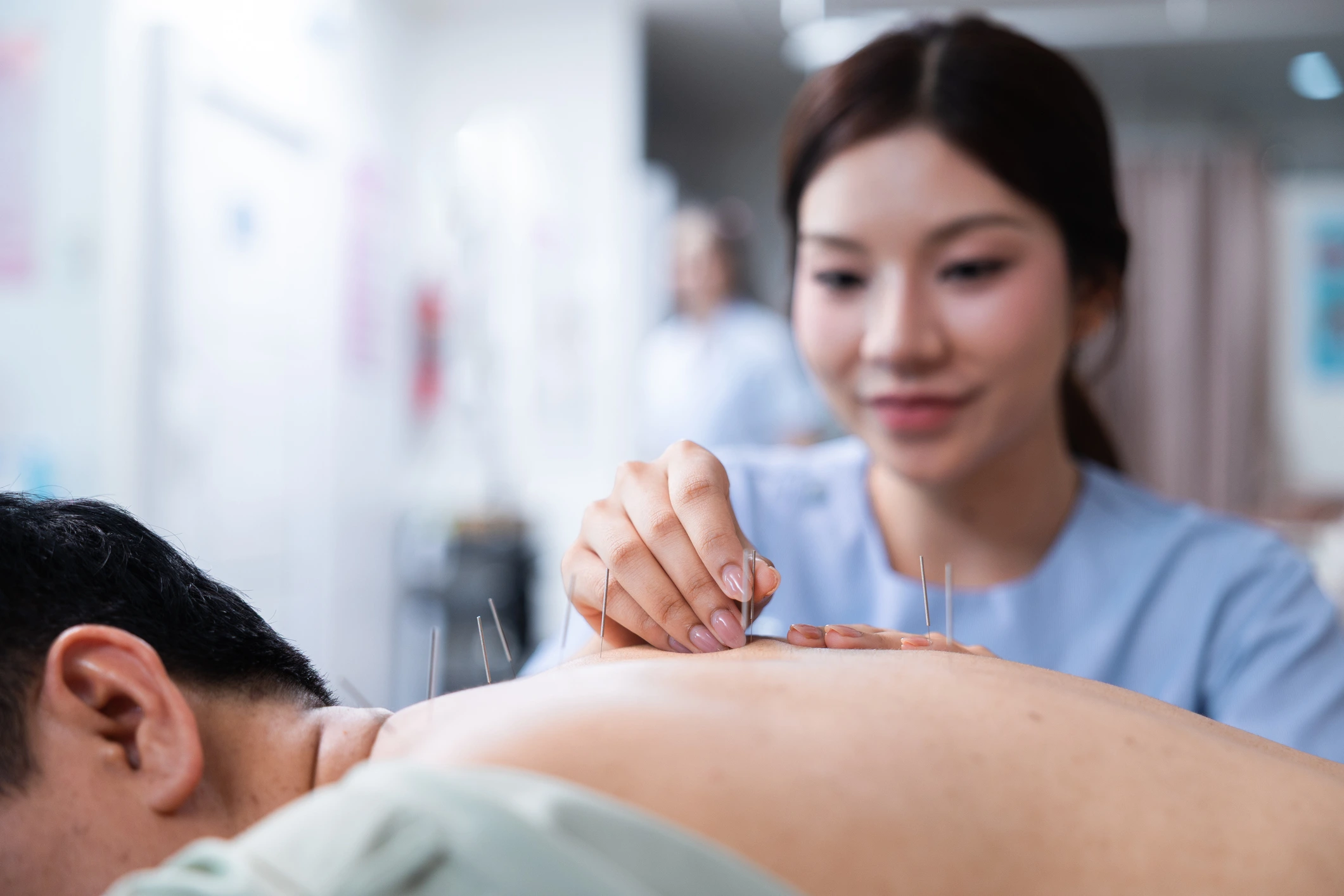
Becoming a Registered Massage Therapist (RMT) can lead to a hands-on health care career focused on helping people improve movement, manage pain, recover from injuries, and maintain physical function.
In British Columbia, however, completing a massage course is not enough to begin working as an RMT. Massage therapy is a regulated health profession. You must complete recognized education, pass the provincial licence examination, and obtain a licence from the College of Complementary Health Professionals of BC (CCHPBC) before practising as a massage therapist.
Here is how to become a Registered Massage Therapist in BC, from choosing a program to receiving your professional licence.
How to Become a Registered Massage Therapist: Quick Overview
The most direct pathway involves five main steps:
|
Step |
What You Need to Do |
|
1 |
Confirm that massage therapy is the right career for you |
|
2 |
Complete a recognized massage therapy diploma |
|
3 |
Build Clinical Skills |
|
4 |
Pass the CCHPBC licence examination |
|
5 |
Apply for your licence and begin practising |
Graduates of massage therapy programs recognized by CCHPBC are eligible to apply for the provincial licence examination. CCHPBC identifies recognized programs as those meeting BC entry-to-practice standards and accredited by the College or the Canadian Massage Therapy Council for Accreditation at the required level.
Step 1: Decide Whether an RMT Career Fits You
Massage therapy can be rewarding, but it is also physically and academically demanding. Before applying to an RMT course in BC, consider whether you are comfortable with the responsibilities of a regulated health professional.
Successful RMTs generally need:
- Strong communication and active listening skills
- Comfort working directly with patients
- An interest in anatomy and health sciences
- Physical stamina and proper body mechanics
- Professional judgement and attention to detail
- Respect for patient privacy, consent, and boundaries
- The ability to document assessments and treatments accurately
You should also expect a substantial study commitment. RMT education covers detailed musculoskeletal anatomy, neurology, pathology, orthopaedic assessment, therapeutic exercise, treatment techniques, and supervised clinical practice.
Step 2: Complete a Recognized Registered Massage Therapist Course in BC
Choosing the right program is one of the most important parts of learning how to become an RMT.
CMTCA is the national accrediting organization for massage therapy education. Accreditation evaluates whether a program meets established standards for curriculum quality, safety, ethics, student learning, and continuous improvement.
Vancouver Career College’s RMT program in Burnaby and Abbotsford is CMTCA-accredited and recognized by CCHPBC. The full-time, in-person diploma takes 88 weeks and includes 2,751 instructional hours.
The curriculum includes subjects such as:
- Musculoskeletal anatomy and kinesiology
- Anatomy and physiology
- Massage theory and palpation
- Pathology and neurology
- Patient assessment
- Therapeutic exercise
- Hydrotherapy
- Joint mobilization
- Orthopaedic and systemic treatment
- Sports massage
- Research literacy
- Law, regulation, and business practice
Students progress from foundational anatomy and general massage techniques to clinical assessment, treatment planning, neurological care, orthopaedic treatment, and clinical case studies.
Step 3: Build Clinical Skills Through Supervised Practice
A registered massage therapist course in BC should give you meaningful opportunities to apply classroom knowledge under professional supervision.
Vancouver Career College’s RMT Diplom Program contains 600 hours of clinic courses across six clinical terms. Students must complete all practical requirements, including at least 330 hands-on hours providing massage therapy to members of the public.
During supervised clinic and outreach experiences, students learn how to:
- Conduct patient interviews and take health histories
- Obtain informed consent
- Assess posture, movement, muscles, joints, and soft tissues
- Identify precautions and contraindications
- Develop appropriate treatment plans
- Provide safe massage therapy treatments
- Recommend therapeutic exercises and home care
- Maintain clinical records
- Communicate professionally with patients and supervisors
The program gradually increases student responsibility. Early clinic courses introduce patient interaction and general treatment. Later terms expect students to assess more complex conditions, apply clinical reasoning, adapt treatments, and function with greater independence.
Step 4: Apply for the CCHPBC Licence Examination
Graduating from an RMT program does not automatically make you a licensed massage therapist. After completing a recognized program, you must apply for the CCHPBC licence examination.
The CCHPBC generally offers the examination twice per year, with sittings in the spring and fall. Applicants must submit the required documents, meet application deadlines, and pay the applicable examination fee.
The current examination has three components:
Clinical Knowledge and Theory Exam
This computer-based examination contains 150 multiple-choice questions and takes three hours. It evaluates foundational health sciences, assessment, presenting conditions, treatment planning, massage therapy principles, and therapeutic exercise. Questions include both independent items and clinical case scenarios.
Law, Ethics and Professionalism Course and Exam
Candidates complete an online course covering BC’s regulatory framework, ethical decision-making, communication, jurisprudence, professional obligations, and standards of practice. After completing the course modules, candidates take a proctored online examination.
Performance-Based Assessment
The practical assessment evaluates whether you can integrate academic knowledge with patient care. Candidates demonstrate palpation, muscle testing, interviewing, physical assessment, massage treatment, charting, therapeutic exercise, home-care recommendations, communication, draping, and professionalism.
That’s the reason why a RMT program recognized by CCHPBC is important. It prepares you to gain knowledge and hands-on training in realistic clinical situations, not simply memorize facts.
Bonus Read: Becoming an RMT in BC: A Complete Guide to the CCHPBC Exam
Step 5: Apply for Your Massage Therapy Licence
After passing all examination components, you can submit your licence application to CCHPBC.
The application process requires documentation confirming your identity, education, examination results, good character, English proficiency, and eligibility for a full massage therapy licence. Applicants must also provide criminal record check authorization, current first aid certification, and proof of professional liability insurance of at least $5 million per claim or occurrence.
Once CCHPBC approves your application and issues your licence, you may begin practising as a Registered Massage Therapist (RMT) in BC.
Where Can Registered Massage Therapists (RMTs) Work?
Licensed RMTs may work in environments such as multidisciplinary health clinics, rehabilitation clinics, sports medicine settings, wellness centres, fitness facilities, hospitals, and care settings.
Some massage therapists work alongside chiropractors, physiotherapists, naturopathic physicians, physicians, trainers, and other health professionals. Others operate independent practices, work as clinic associates, or provide approved mobile services.
Your education in business practice, law, documentation, and professional communication can be particularly helpful if you plan to become self-employed.
Start Your Path Toward Becoming an RMT
Learning how to become a Registered Massage Therapist (RMT) requires commitment to both academic study and clinical practice. The pathway includes completing recognized education, developing entry-level competencies, passing the CCHPBC licence examination, and satisfying the College’s licensing requirements.
Vancouver Career College’s RMT Diploma in Burnaby and Abbotsford combines health-science education, hands-on treatment training, supervised clinical experience, and examination preparation. Explore the Registered Massage Therapy program to learn about admission requirements, campus availability, upcoming start dates, and the next steps toward an RMT career in BC.