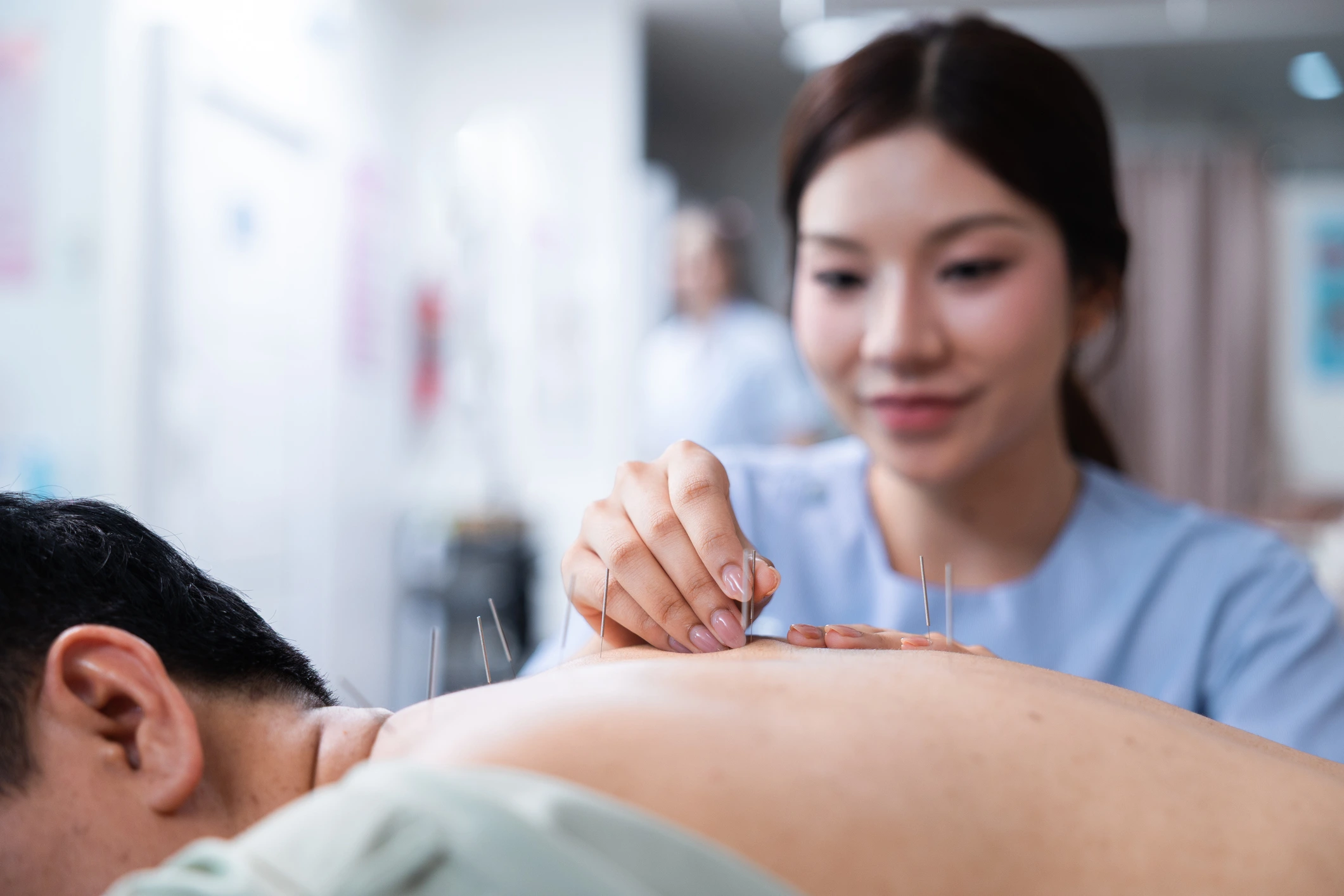
Starting an RMT program can feel intimidating if you have never worked in a clinic or treated a real client. You may wonder what to say during an intake, how to respond when someone presents with pain, or what happens when you are unsure about a treatment decision.
That is the purpose of structured massage therapy training. At Vancouver Career College, students build their clinical abilities gradually. The 88-week Registered Massage Therapy Diploma in Burnaby and Abbottsford includes 600 scheduled hours across six supervised clinic courses, progressing from basic patient interaction to assessment-led treatment and greater clinical independence.
What Do the 600 Hours Include?
The 600 hours are divided across Clinic I through Clinic VI:
|
Clinical course |
Hours |
Main stage of development |
|
Clinic I |
60 |
Introduction to public clinic practice |
|
Clinic II |
120 |
Assessment and treatment of dysfunction |
|
Clinic III |
60 |
Special testing and more specific treatment |
|
Clinic IV |
120 |
Developing complete treatment approaches |
|
Clinic V |
120 |
Greater independence and continuity of care |
|
Clinic VI |
120 |
Integrating clinical competencies |
These are scheduled clinic-course hours, not 600 hours spent continuously providing massage. A clinic shift can also include reviewing health histories, interviewing clients, completing assessments, developing treatment plans, consulting supervisors, charting and preparing the treatment space.
Hands-On Learning Starts Before the Student Clinic
Students do not begin by treating public clients. Early clinical massage therapy training covers anatomy, palpation, massage theory, draping, positioning, informed consent and patient communication.
Students use skeletal models and hands-on palpation to identify anatomical structures. They also practise techniques with classmates, helping them develop pressure control, safe positioning and professional communication in a controlled environment.
Massage Theory I introduces general full-body massage, limb handling, appropriate draping and different treatment positions. Introduction to Assessment later adds case histories, patient interviews, posture observation, range-of-motion testing and palpation for clinical findings.
Students therefore enter Clinic I with foundational knowledge rather than attempting these skills for the first time with a public client.
What You'll Learn in Clinical Massage Therapy Courses
Clinic I: Learning the Flow of an Appointment
Clinic I is a 60-hour introduction to working with the public. Students combine their classroom skills to conduct an intake, complete a safe assessment and provide a general relaxation treatment.
The scope is intentionally limited. Hydrotherapy and treatments for pathology are not performed during this stage. Students can instead focus on the basic appointment process:
- Reviewing relevant health information
- Explaining the session and obtaining consent
- Completing an appropriate assessment
- Providing a safe treatment
- Monitoring client comfort
- Documenting the appointment
This gradual introduction helps students adjust to public interaction without being expected to manage complex clinical cases immediately.
Clinics II and III: Connecting Assessment to Treatment
Clinic II expands to 120 hours through supervised student-clinic or outreach shifts. Students move from becoming comfortable with the appointment process to thinking critically about dysfunction and selecting a coherent treatment approach. Hydrotherapy applications may also be introduced.
Clinic III adds another 60 hours. As students develop their knowledge of systemic, orthopaedic and neurological treatment, they use more specific interview, assessment and special-testing skills with members of the public.
Students begin working through questions such as:
- What is the client’s main concern?
- Which assessment findings are relevant?
- Are there precautions or contraindications?
- Which techniques fit the findings?
- How should the response to treatment be monitored?
- What home care may be appropriate?
The goal is not simply to perform more techniques. Students learn how assessment findings inform safe, patient-centred treatment decisions.
Clinics IV and V: Taking More Responsibility
Clinic IV provides 120 hours and shifts more responsibility to the intern therapist. Rather than depending on supervisors to create treatment approaches and goals, students increasingly identify dysfunction and develop complete plans themselves.
Clinic V adds another 120 hours and emphasizes greater independence. Students may draw from orthopaedic treatment, neurological treatment, therapeutic exercise, joint mobilization, systemic treatment and advanced fascial techniques.
At this stage, students may also take more responsibility for maintaining a clinical following and finding suitable patient situations needed to complete specific competencies. Prospective students should ask the campus how appointments are assigned, how public bookings are supported and what assistance is available when a particular type of clinical experience is required.
Outreach Builds Adaptability
The curriculum also includes a 35-hour Dedicated Outreach course. Students work with specific patient populations and discuss patient-therapist interactions with clinic supervisors afterward.
These experiences help students understand that the same treatment approach will not suit every client. Communication, positioning, assessment and treatment may need to be adjusted while maintaining safety and professional boundaries.
The course also emphasizes therapist self-care, which can help students adjust to the physical and interpersonal demands of massage therapy practice.
Clinic VI: Bringing the Full Skill Set Together
The final 120-hour clinic course places greater responsibility on the student intern. The program outline states that reporting structures are reduced, although supervision remains available in the background.
Students bring together the competencies developed throughout the diploma in massage therapy to:
- Assess clients
- Identify relevant clinical findings
- Develop treatment approaches
- Apply appropriate techniques
- Adapt treatment when necessary
- Complete outstanding competency requirements
By this point, the student clinic more closely reflects professional practice. However, it remains a supervised learning environment that supports the transition from student to entry-level practitioner.
Training That Supports the BC Registration Pathway
The Vancouver Career College RMT program is accredited by Canadian Massage Therapy Council for Accreditation (CMTCA). It's recognized by College of Complementary Health Professionals of BC (CCHPBC); graduates are eligible to pursue registration with the CCHPBC.
For students comparing a massage therapist course in BC, this connection matters. Hands-on training should do more than provide general work experience. It should develop the clinical reasoning, communication and entry-to-practice competencies expected in the profession.
In a supervised clinic environment, students can receive guidance when an assessment finding is unclear, or a treatment approach needs to be reconsidered. As their competence develops, they are given more responsibility while supervision remains available.
Experience a Student Clinic Before You Enrol
Vancouver Career College operates public RMT student clinics at:
- Burnaby: 5021 Kingsway, Burnaby
- Abbotsford: 2121 Clearbrook Road, Abbotsford
Advanced students provide 60-minute therapeutic massage appointments at our RMT student clinics that include an assessment, with care delivered under instructor supervision.
Booking an appointment can help a prospective student observe:
- How the intake and assessment process works
- How students communicate with clients
- What a clinical treatment space feels like
- How structured an appointment is
- How classroom learning is applied to client care
Experiencing the clinic will not show every part of being an RMT student, but it may make the clinical setting feel less unfamiliar before enrolment.
Takeaway
600 hours of clinic massage therapy training does not mean students must feel confident on day one. It provides repeated opportunities to practise, ask questions, receive feedback and accept more responsibility.
From classroom practice to supervised public treatment and final-term clinical decision-making, confidence is built step by step.